Pobratym - Mobile App Case Study
Date
Feb 2025
Service
Mobile App
Client
Pobratym
Project Overview
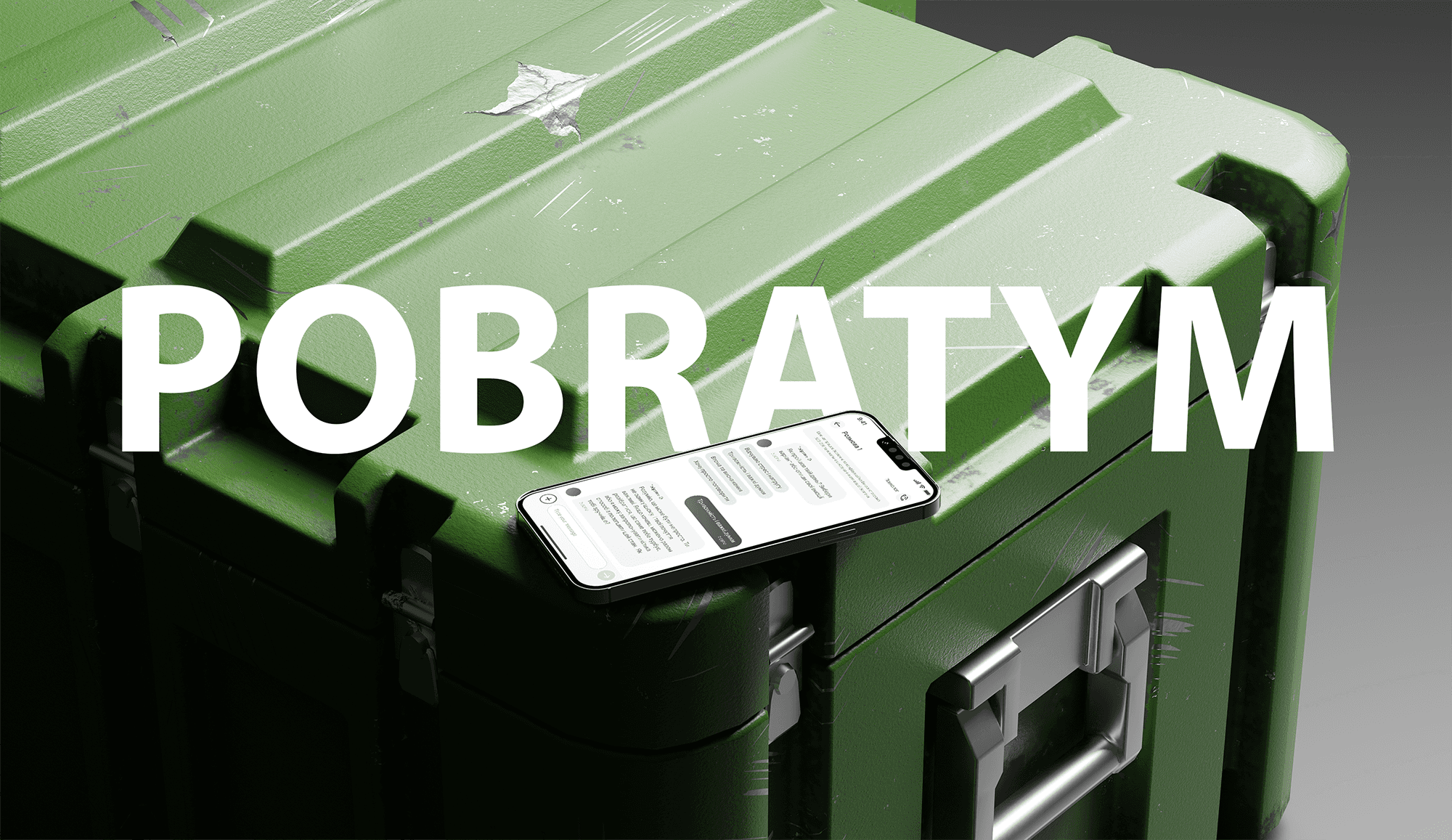
For a newly mobilized soldier, the journey begins with uncertainty. Stripped from familiar surroundings and thrown into a demanding environment, they face a whirlwind of emotions — stress, anxiety, and isolation.
The issue isn’t a lack of psychological support—it’s that most won’t seek it. 90% of men never reach out for help, held back by stigma, distrust, and the fear of being judged. The question is: how do we create a tool that breaks these barriers and becomes a trusted, indispensable ally in their journey?
Approach
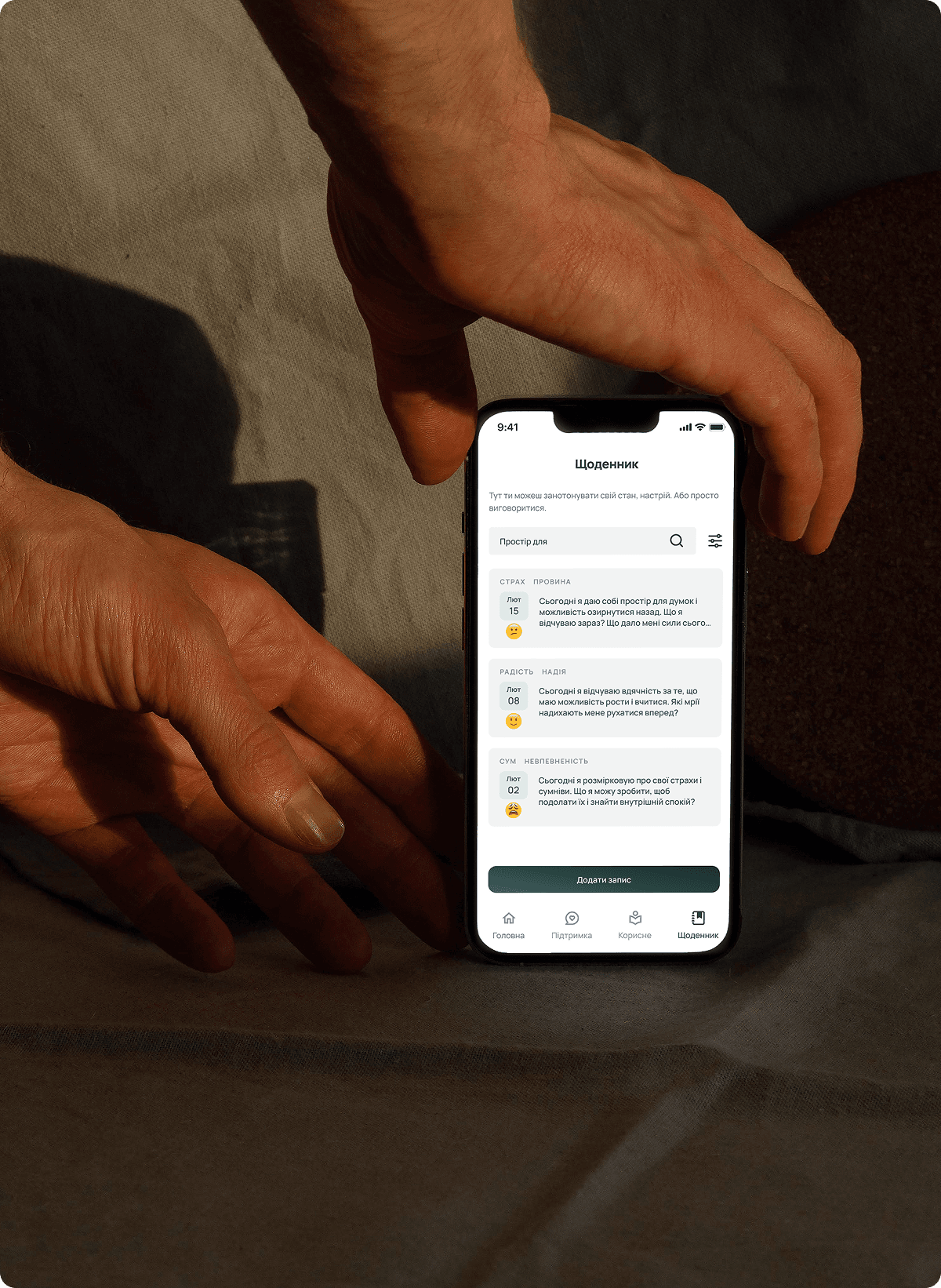
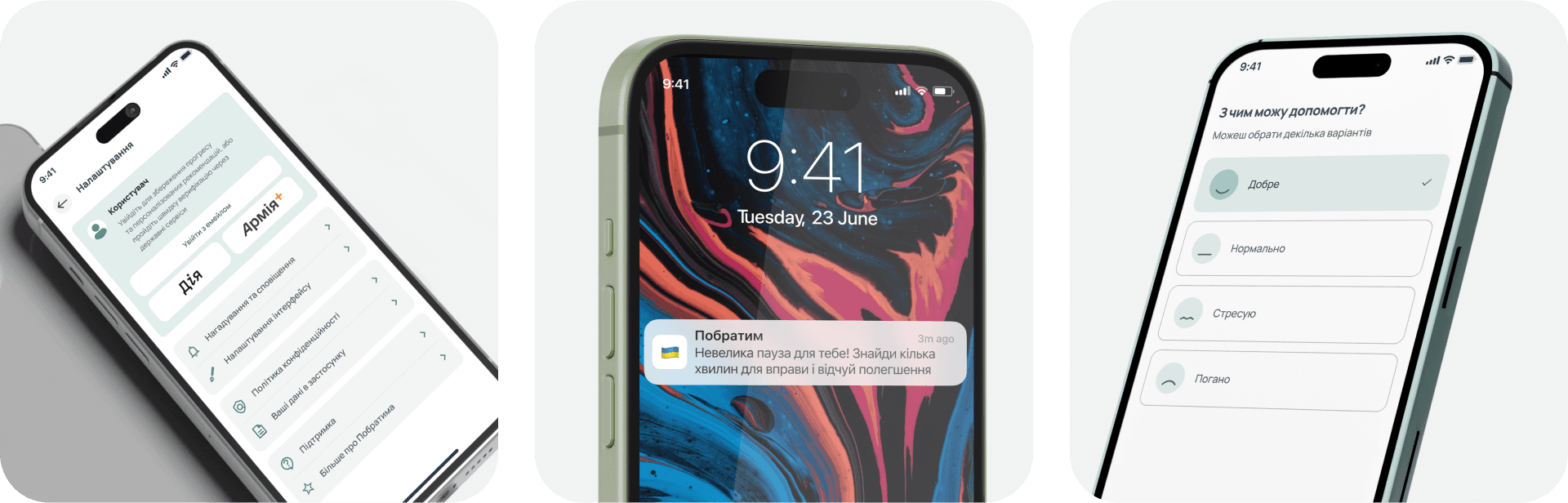
Traditional support methods wouldn’t always work for soldiers, so we focused on designing a solution that felt natural and safe. In a 5-day design sprint, our team of six designers conducted research, tested hypotheses, and iterated based on usability findings. I was involved in both UX research and UI design, helping shape a solution that felt adaptive, anonymous, and accessible.
Stakeholder InsightsDuring the kickoff meeting with stakeholders and military psychologist, we identified key user groups for current iteration:  |  |
What We Learned from Users
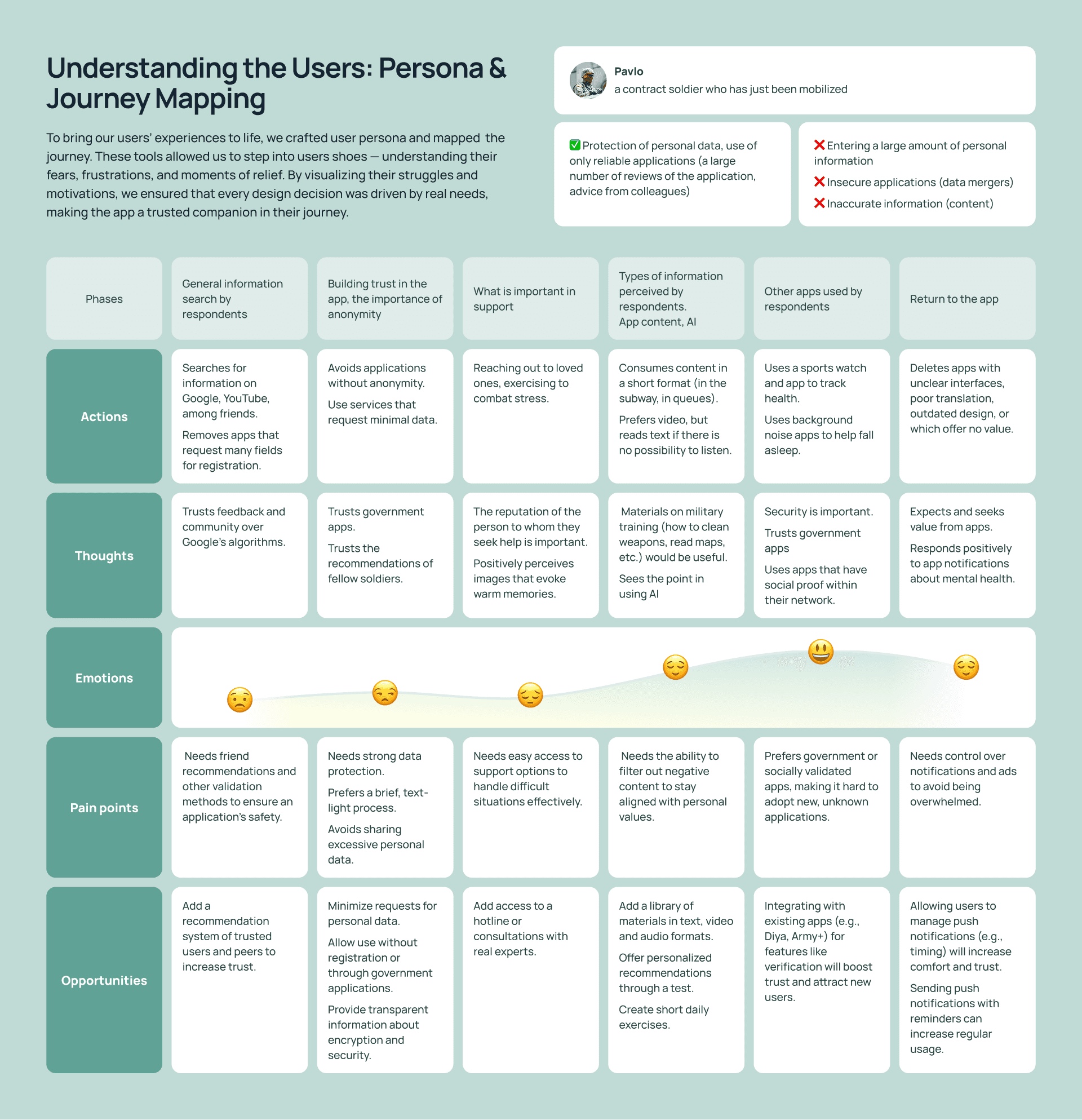
To create something truly useful, we had to step into our users’ world. We conducted interviews with three respondents to better understand their behaviors, preferences, and concerns regarding psychological support apps, particularly in the context of military personnel.


Key Takeways
These insights guided our approach, helping us design a product that aligns with the real needs and constraints of our users:
🛑 Barriers to Adoption
Limited time, unreliable internet, and skepticism toward AI prevent engagement with mental health apps.
🤝 Trust & Anonymity Matter
Users prefer apps with a verified reputation and recommendations from acquaintances.Face-to-face therapy is preferred, but trusted apps can be a fallback. Anonymity is essential for psychological support.
🔒 Security Concerns
Anonymity is a top priority—users avoid apps that require personal data or feel intrusive. Distrust arises from potential data leaks and complex verification processes. Users quickly delete apps that feel intrusive.
📱 Usability Over Complexity
Outdated interfaces and unreliable information lead to app abandonment. Fast customer support builds trust.
Creative Ideation: Brainwriting
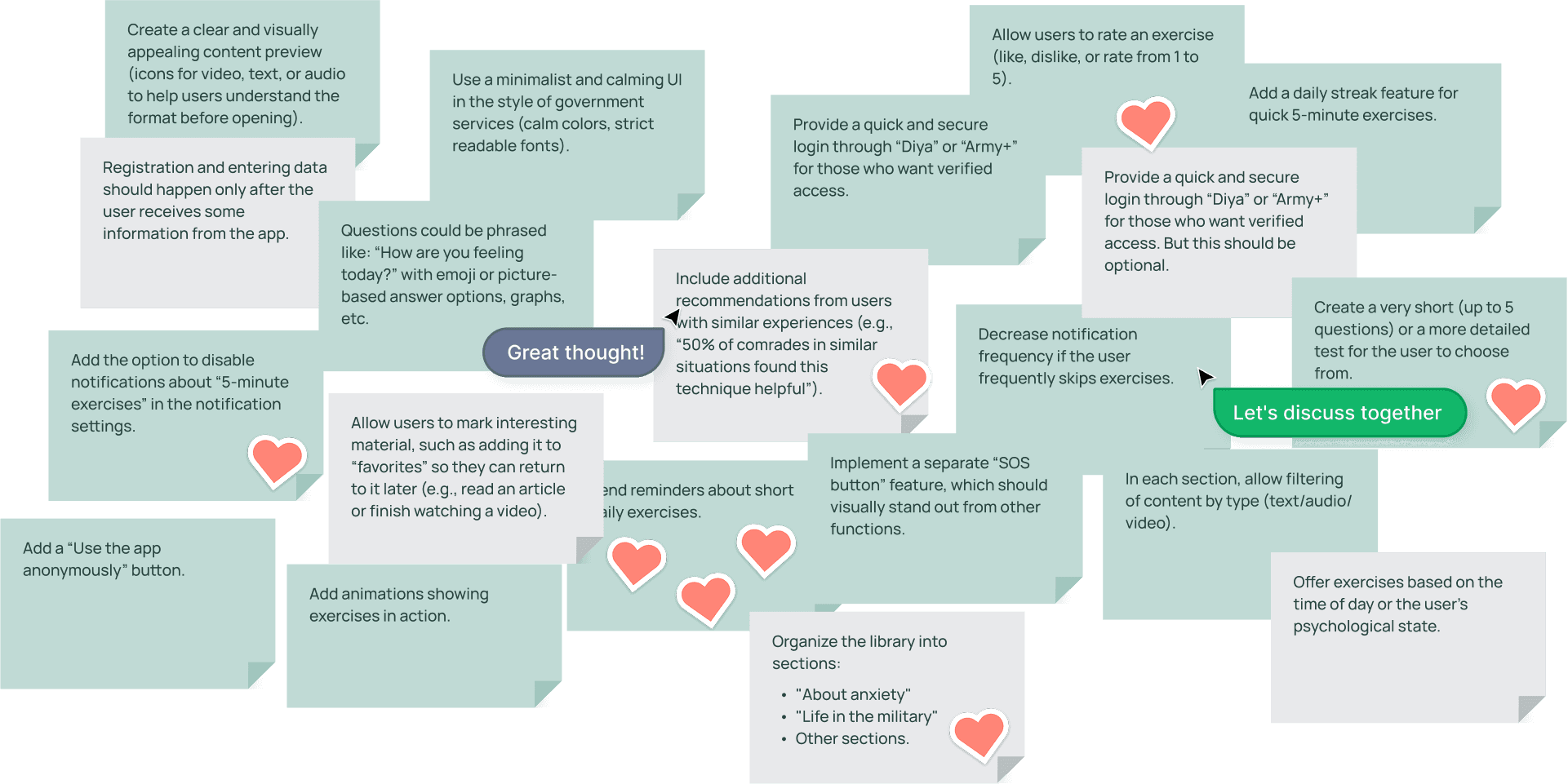
Once we had a clearer understanding of the challenges our users were facing, we moved into the next phase — generating creative solutions. In addition to conducting interviews and gathering insights from stakeholders, we organized a brainwriting session. This method allowed the team to quickly produce a variety of ideas, helping us explore different directions without being limited by conventional thinking.
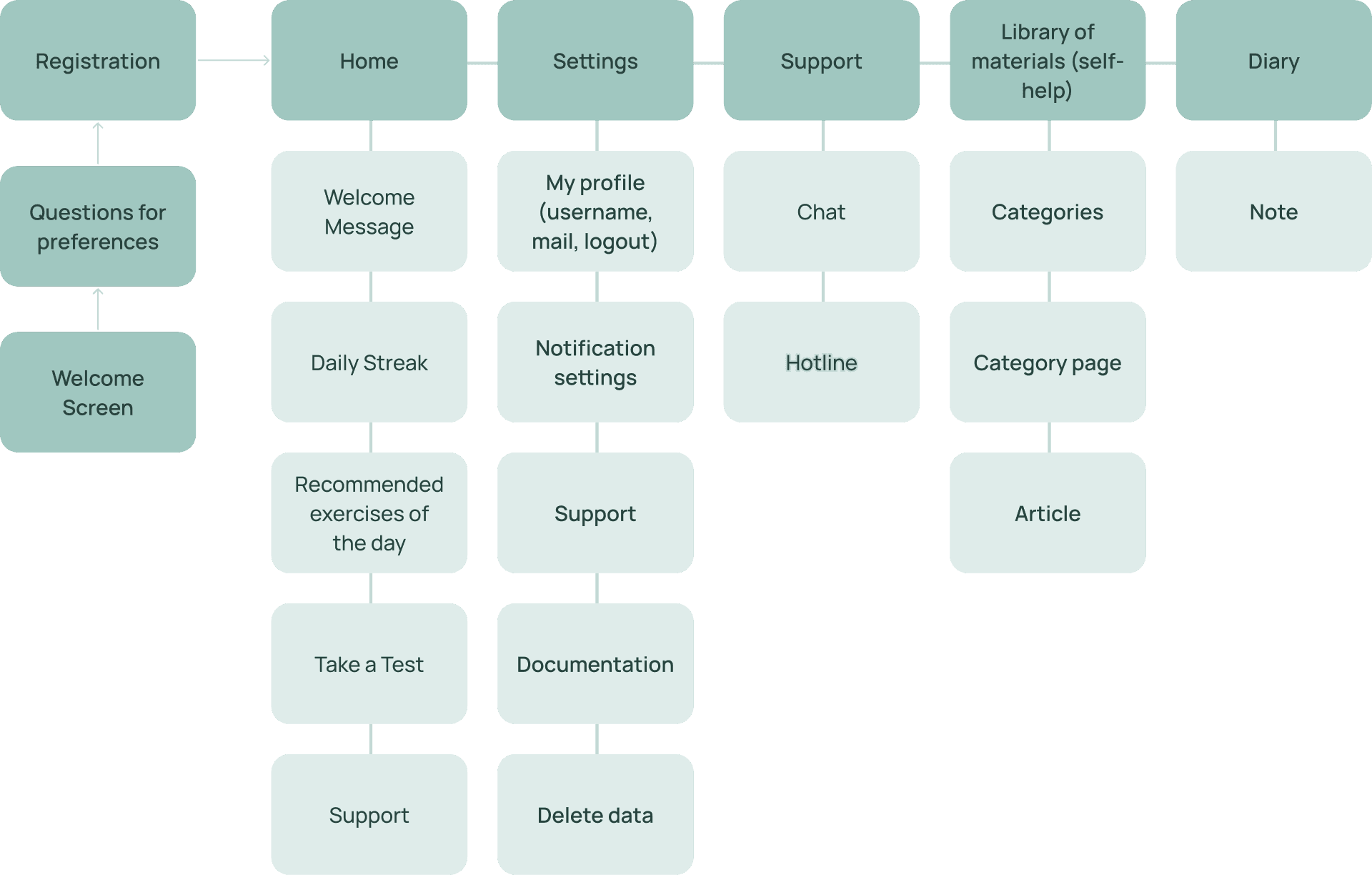
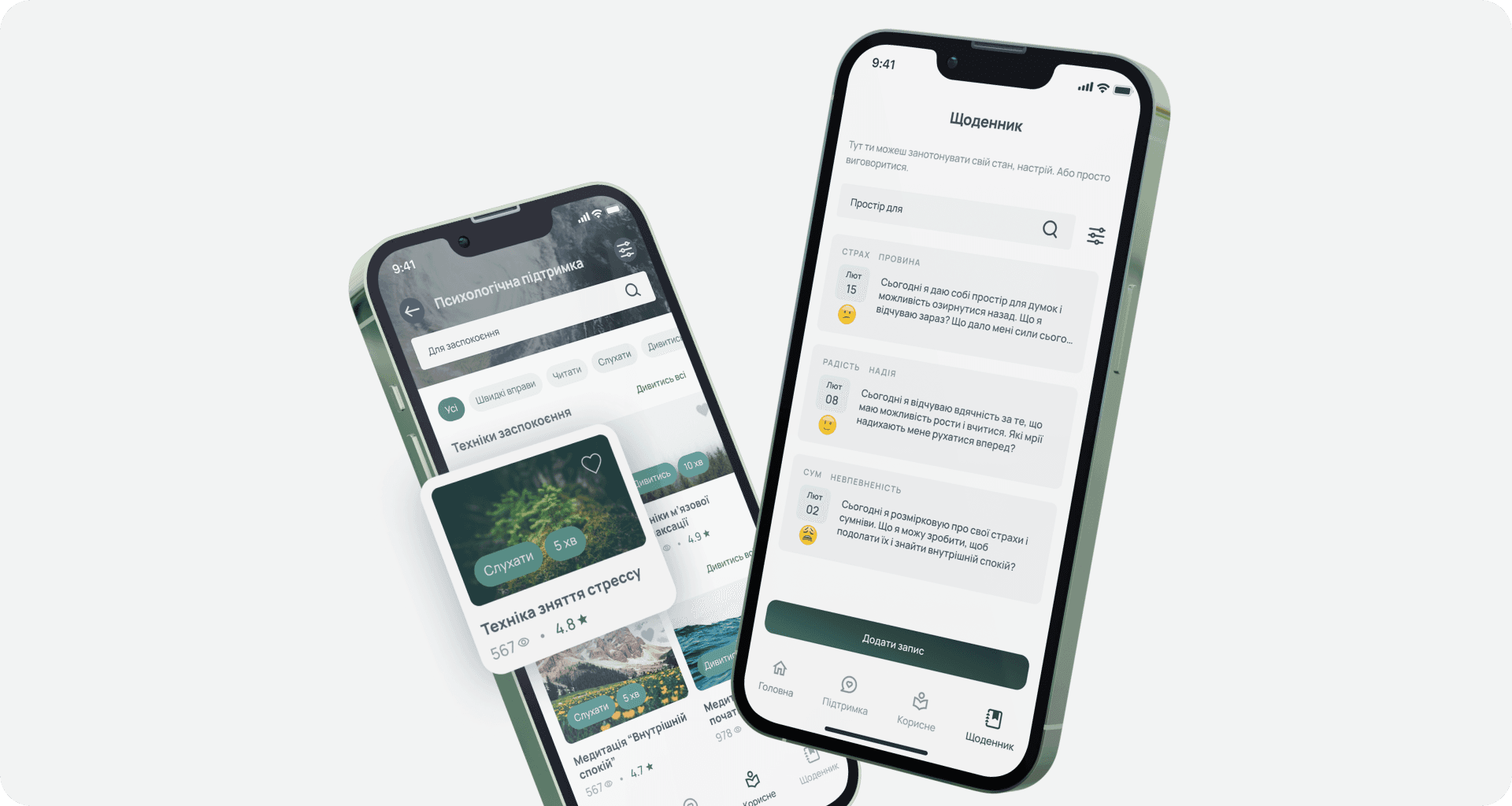
Information infrastructure
Design Iteration and Validation Results
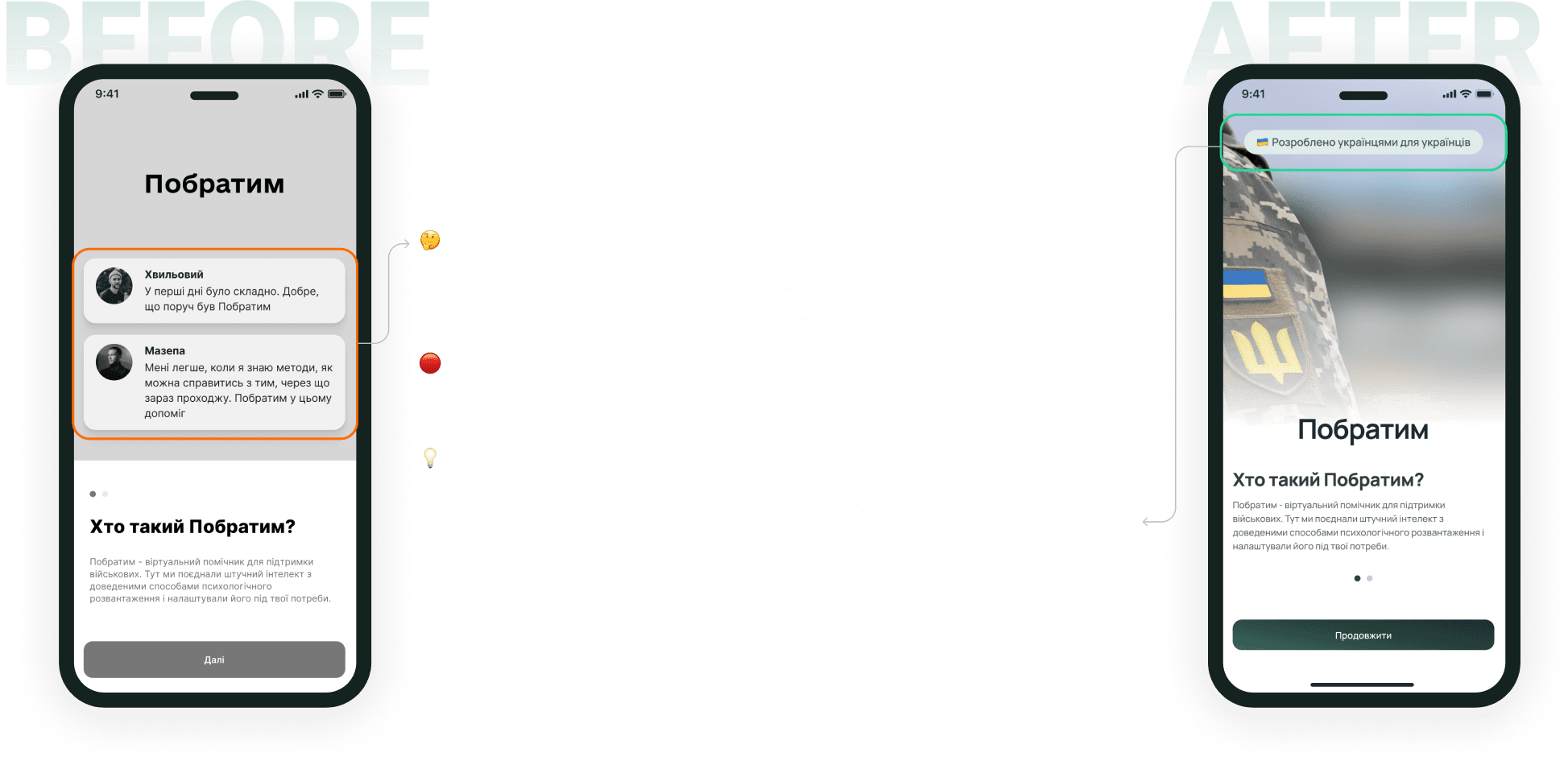
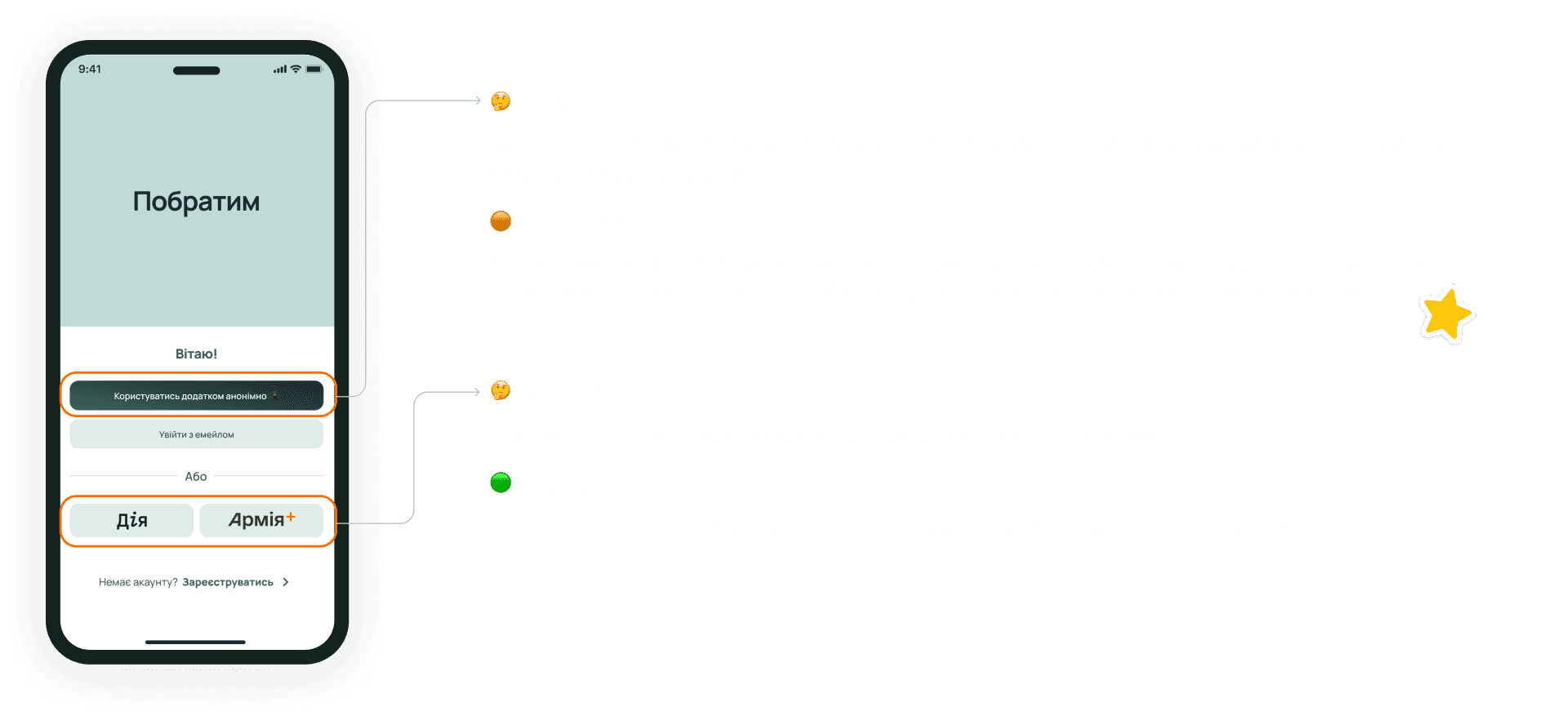
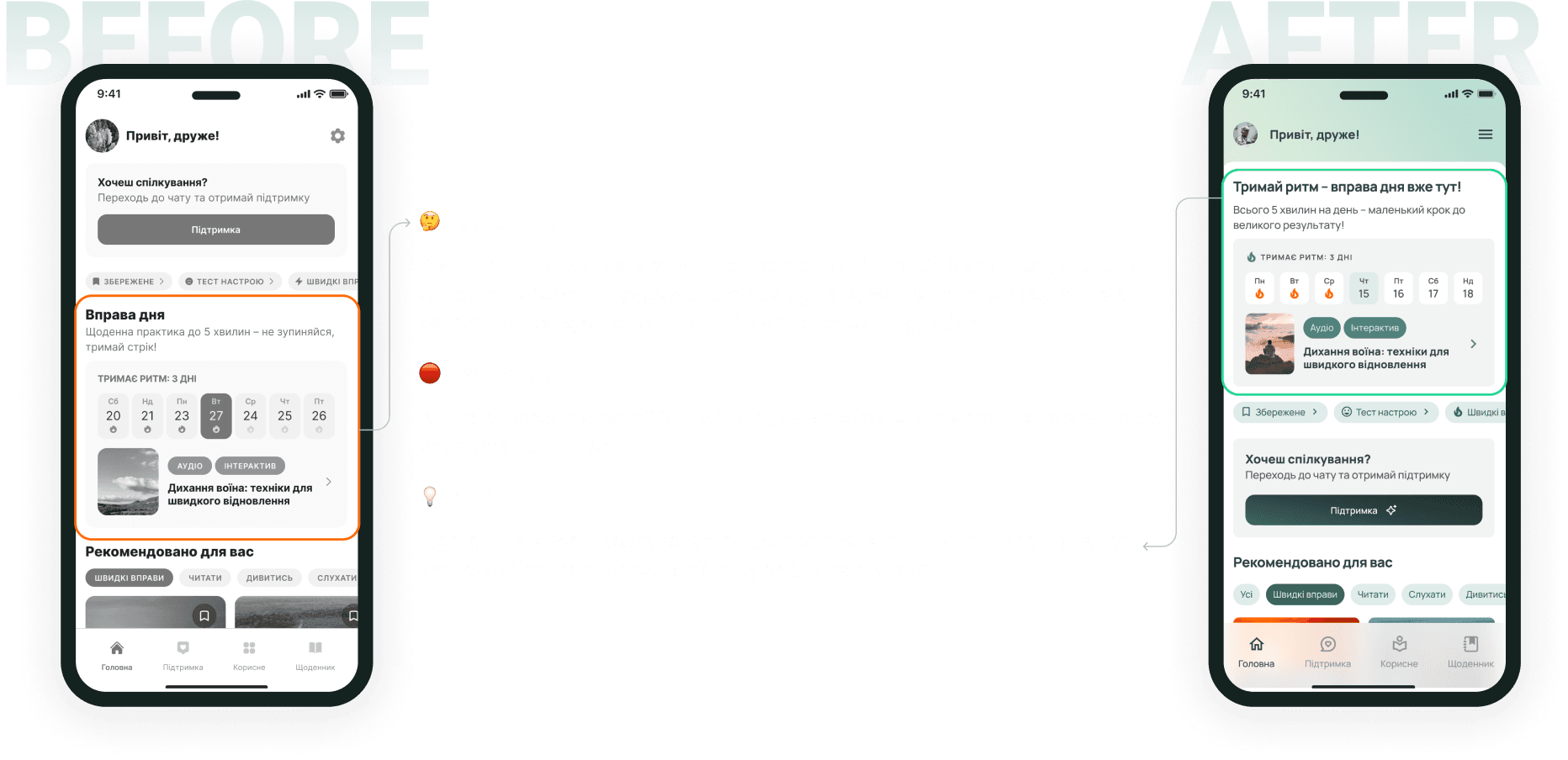
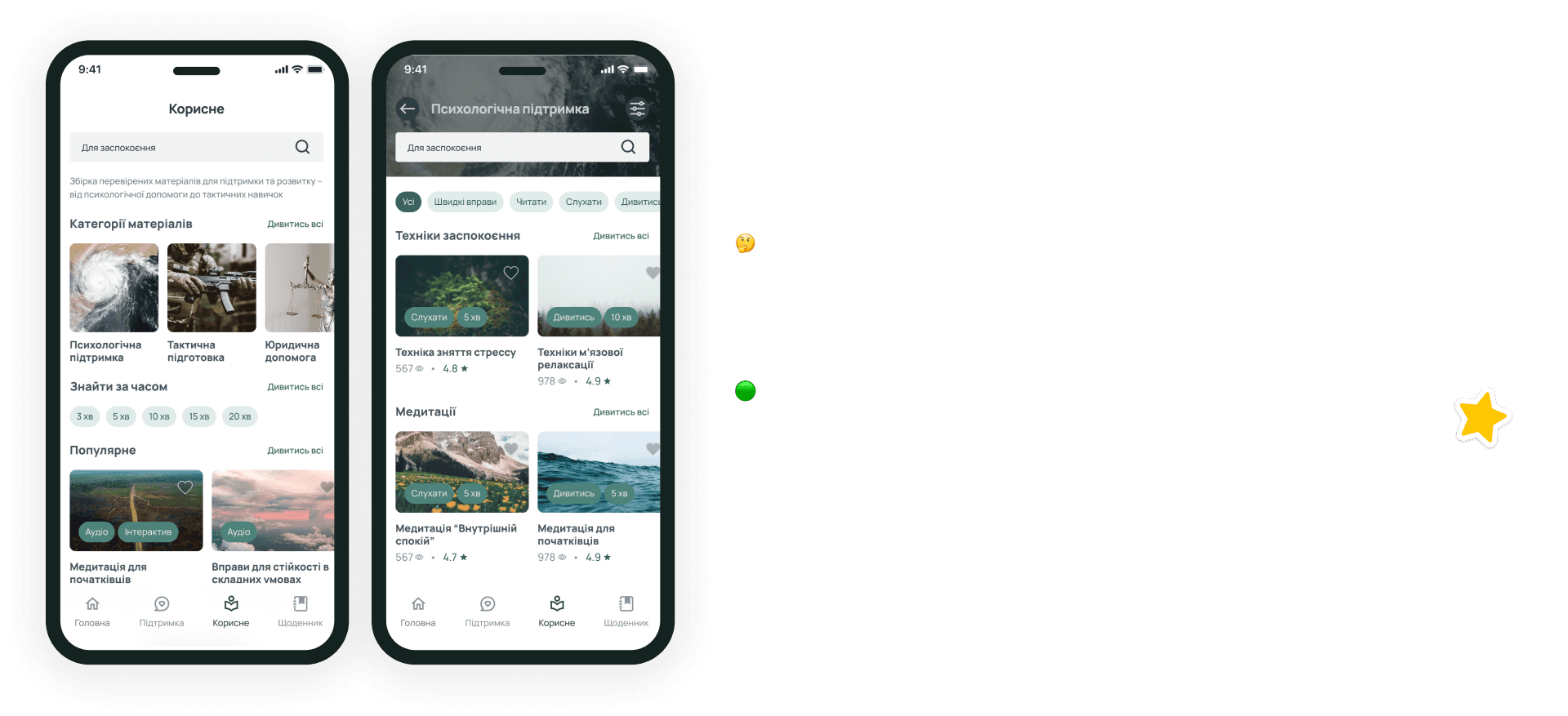
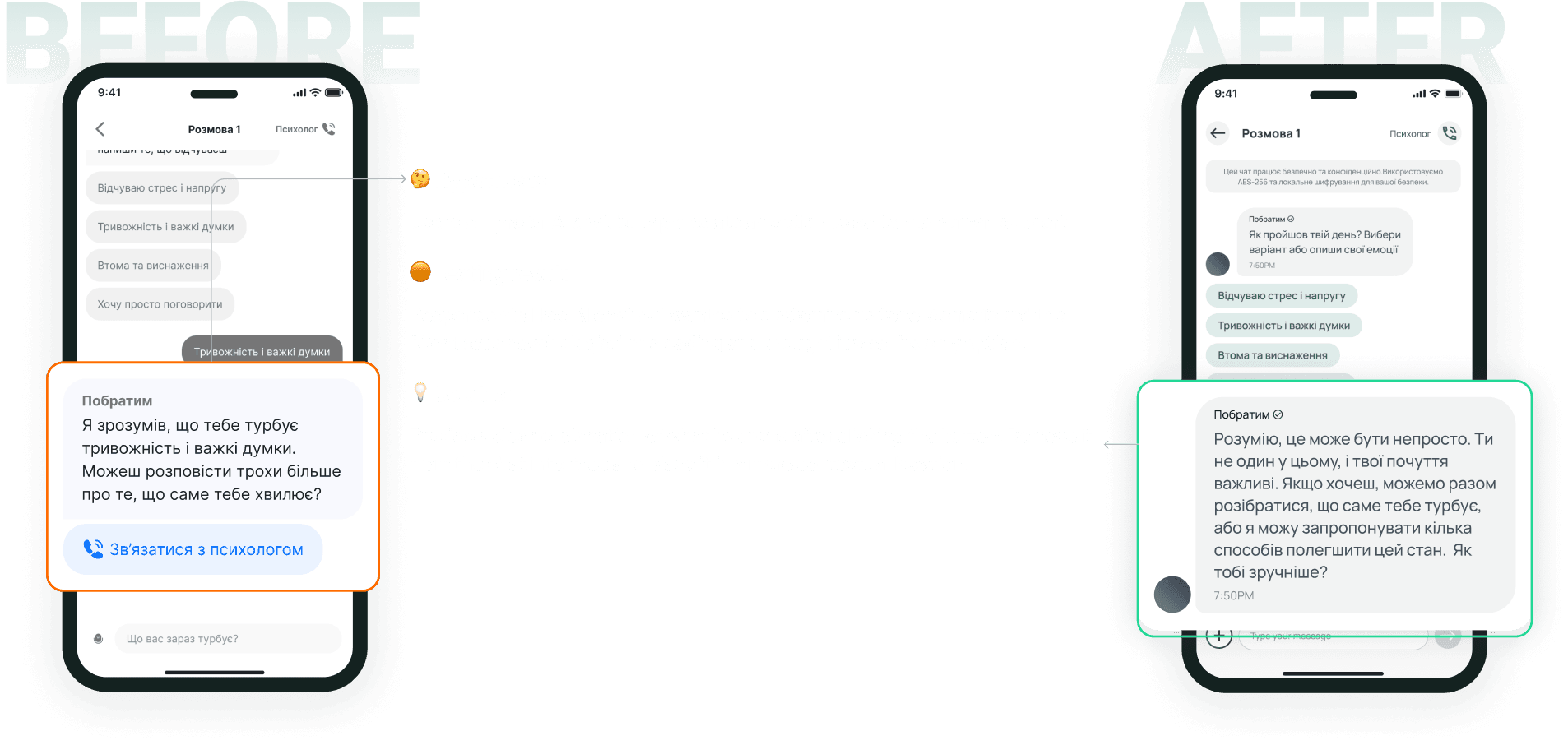
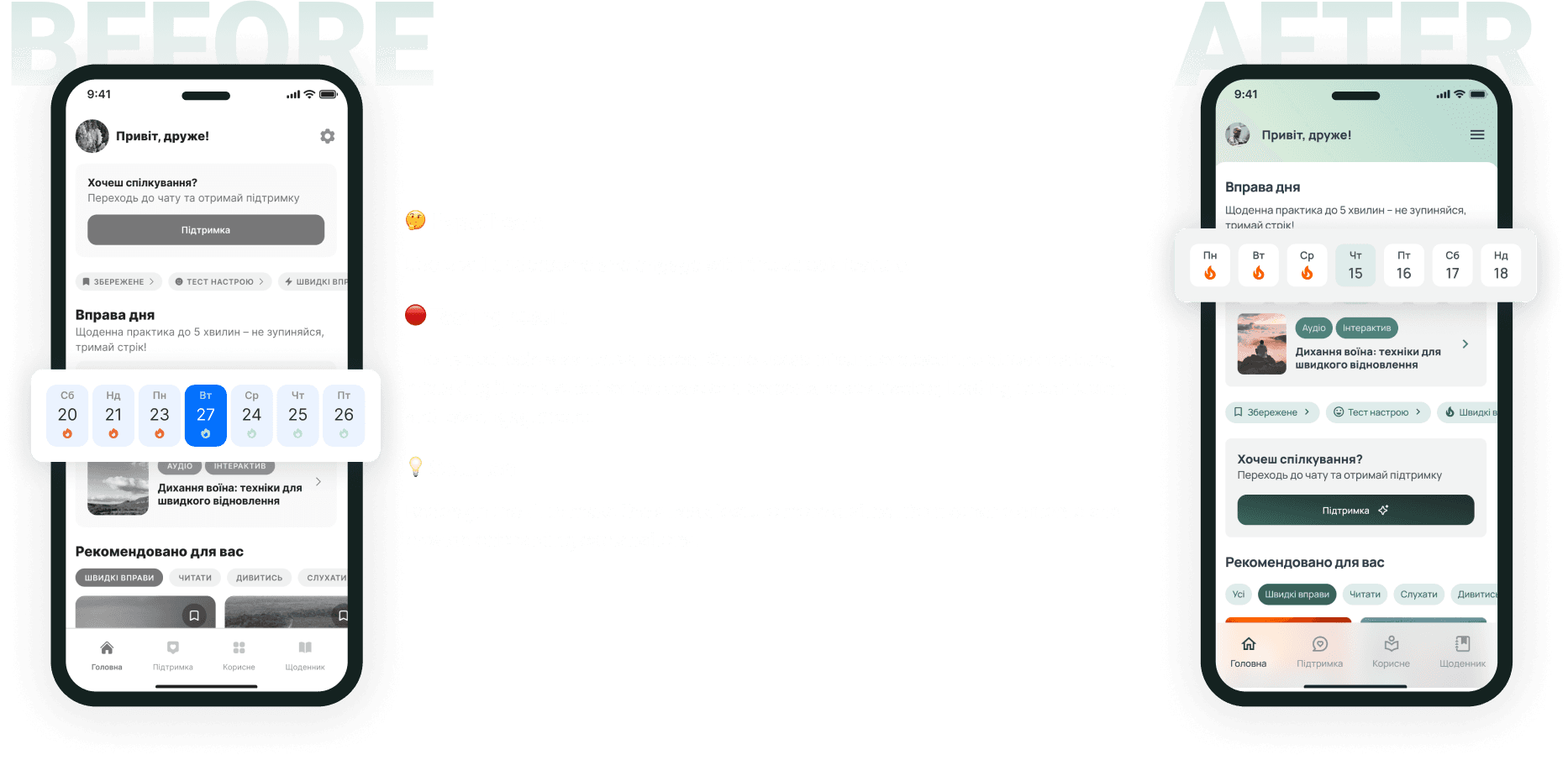
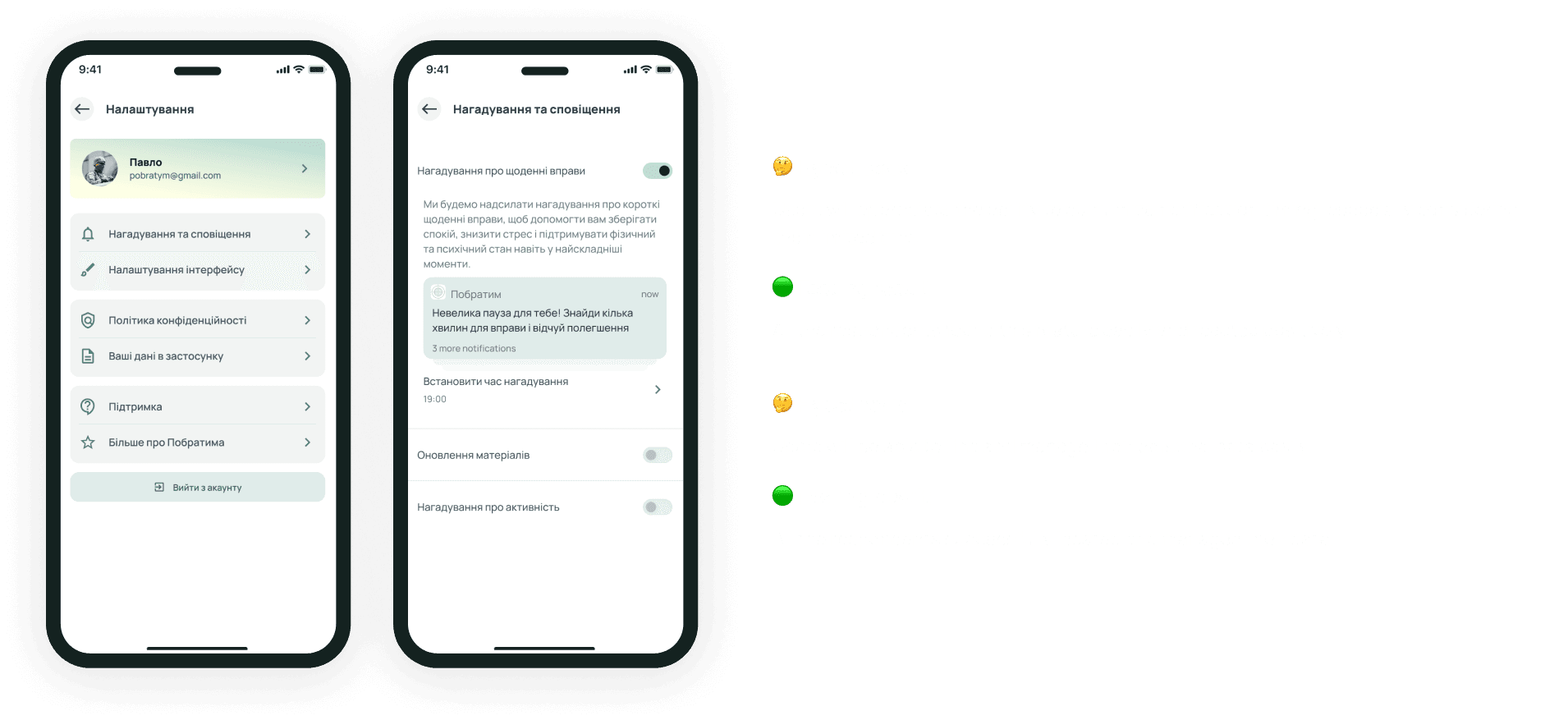
We designed the usability testing to include a mix of validation and exploratory tasks. Some tasks aimed to validate specific design decisions, while others focused on gathering new insights about user behavior, preferences, and expectations. This approach allowed us to assess the usability of existing features while also uncovering potential areas for improvement and future iterations.

Conclusions
Lessons, Challenges, and Future Improvements
This project challenged many of our initial assumptions about user behavior, trust, and engagement. While we aimed to create an intuitive and supportive experience, usability testing revealed unexpected insights that shaped our final design decisions.
🎯 Some features also required clearer communication. Gamification elements like streaks weren’t as intuitive as expected, leading to confusion. Meanwhile, short daily exercises were useful but overlooked due to their placement on the screen. These insights emphasized that positioning and framing matter as much as the features themselves.
🔍 While we believed testimonials would increase trust, users either ignored or distrusted them, responding more positively to transparency indicators like encryption details and a "Ukrainian product" label.
⚖️ Balancing anonymity and personalization was another challenge. We initially assumed that anonymity would be a top priority, yet most users ultimately preferred to register, valuing personalization over complete privacy.
More Project